Prices are estimates. How we get them
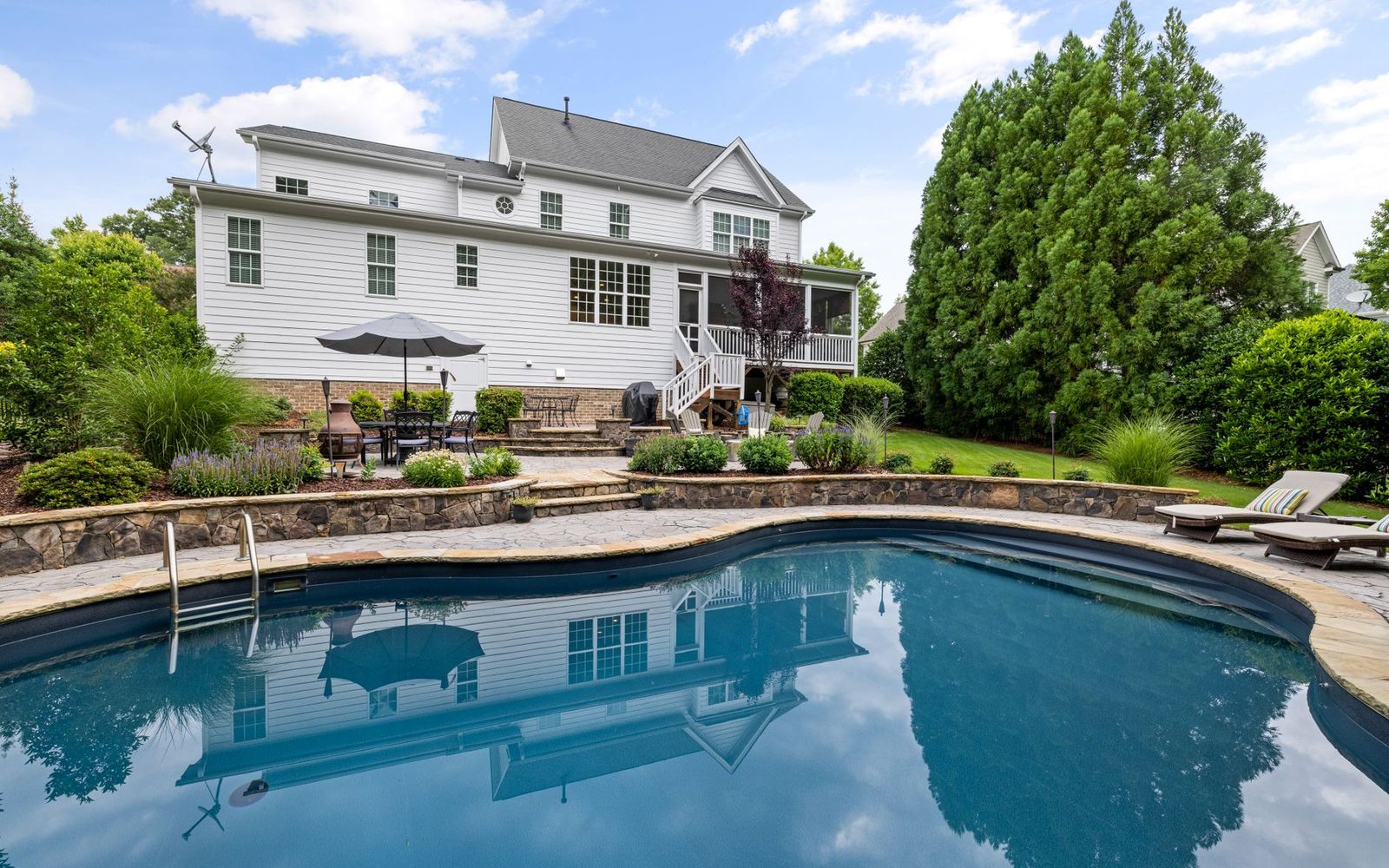
 Pool installers · Des Moines, IA
We build inground pools in Des Moines, Ankeny, West Des Moines, and Urbandale. Local crews who know the soil and weather here.
Get my free quoteDes Moines sits on glacial till with 25-40% clay content that holds water and requires specific excavation and drainage planning. Our crews have worked with the Nicollet-Webster-Clarion soil association that covers most of Polk County, and we know how to prepare the ground properly before any concrete gets poured. The clay soil and seasonal water tables mean every pool needs proper drainage systems from day one.
With winters that freeze the ground down to 42 inches and summers that regularly hit the upper 80s, your pool needs to be built to handle the swing. We follow local frost depth requirements and use construction methods that account for freeze-thaw cycles. The pool season here typically runs from late May through September, about four solid months of swimming weather.
We handle all permit requirements with the City of Des Moines and surrounding suburbs. Des Moines has specific setback rules and safety fence requirements that vary by neighborhood and lot size. Whether you're in an older Beaverdale home from the 1930s or a newer build in Ankeny, we work through the paperwork so your project stays on schedule.
We dig, set, and finish concrete or vinyl liner pools sized for your yard. Every installation includes proper base preparation for our clay-heavy soil and drainage systems to handle spring runoff.
Clay soil excavation requires the right equipment and timing to avoid a muddy mess. We grade the site to direct water away from the pool and your foundation.
We pour and finish pool decks that can handle our 42-inch frost depth and seasonal temperature swings. Proper control joints and base prep prevent cracking through Iowa winters.
All plumbing gets buried below frost line with proper winterization access. We install pumps, filters, and heaters in locations that make seasonal opening and closing straightforward.
We install code-compliant pool fencing that meets Des Moines safety requirements. Self-closing gates and proper latch heights are part of the permit process here.
Older pools need new surfaces and updated equipment over time. We replaster concrete pools, replace vinyl liners, and upgrade outdated filtration systems.
Des Moines clay soil requires specific excavation techniques and drainage solutions. We've worked with the Webster and Nicollet soils throughout Polk County and know how to prep sites properly so pools don't shift or crack after the first winter.
Every city in the metro has different setback and fencing rules. We handle permit applications for Des Moines, Ankeny, West Des Moines, and other suburbs so you don't have to figure out what the city inspector wants to see.
Pools here need to survive months of freezing temperatures and ground frost down to 42 inches. We use construction methods that account for freeze-thaw cycles and install plumbing that winterizes properly each fall.
You get a written estimate before we start digging. We walk the site, measure the yard, check soil conditions, and explain what the job involves so there are no surprises halfway through the project.
Des Moines sits on glacial till deposited about 12,000 years ago, and the clay content in our soil runs between 25-40 percent. The Nicollet-Webster-Clarion soil association that covers most of Polk County includes poorly drained Webster soils where the water table can come within a foot of the surface in spring. This means every pool needs a proper gravel base, perimeter drains, and backfill that won't turn into soup during wet weather. The frost line here is 42 inches, so all plumbing has to run deep enough to avoid freeze damage during our cold winters when temperatures regularly drop below zero.
Most Des Moines neighborhoods were built between the 1920s and 1970s, with areas like Beaverdale full of homes from the 1930s and 1940s, while suburbs like Ankeny and West Des Moines saw major growth starting in the 1990s. Older properties often have smaller lots and mature trees that affect pool placement, while newer developments usually have more yard space but may have utility easements to work around. The City of Des Moines requires building permits for all inground pools, with specific setback distances from property lines and safety fence requirements. Each suburb has its own rules, so we handle that paperwork as part of the job.
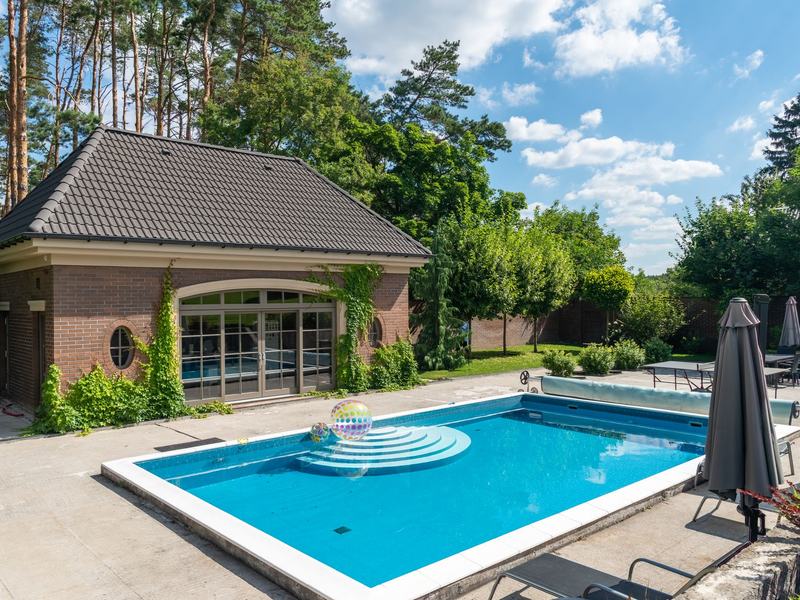
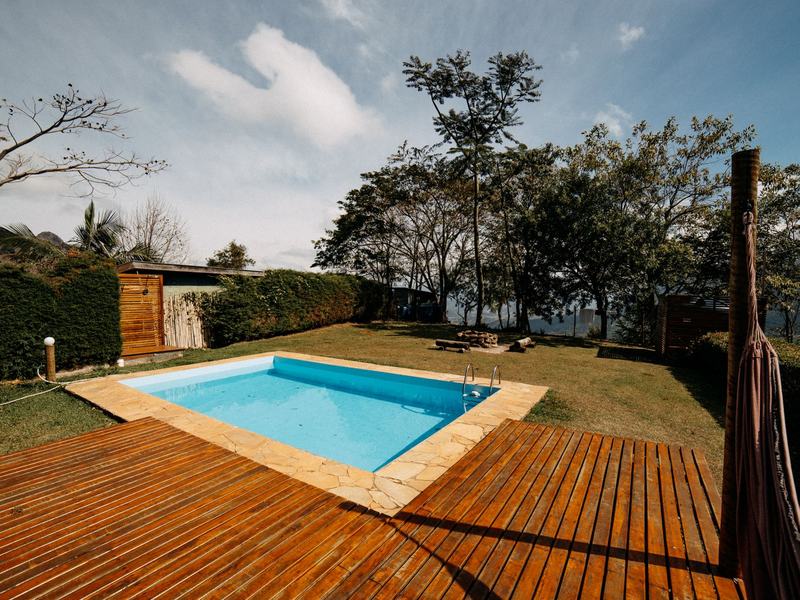
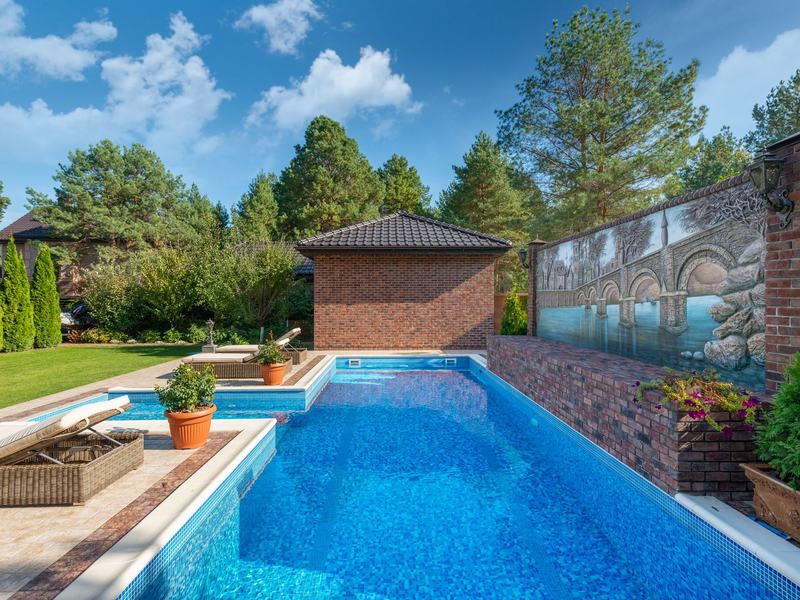
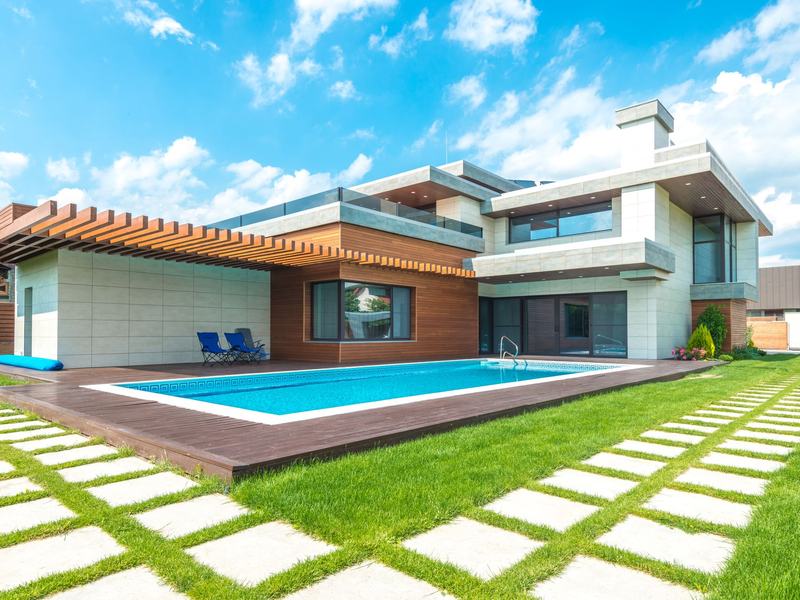
A basic vinyl liner inground pool in the Des Moines area typically runs between $35,000 and $55,000 installed, while a concrete or gunite pool usually starts around $50,000 and goes up to $80,000 or more depending on size and features. Prices change based on how much clay we need to excavate, whether your yard has good drainage or needs extra work, how far we need to haul dirt, and what kind of decking and finishes you want. Larger pools, custom shapes, integrated spas, and high-end tile work all add to the cost. Sites with difficult access, steep slopes, or high water tables take more prep work and will be on the higher end of the range.
Based around Des Moines, IA, we also take jobs in these nearby towns. Put your town on the form and we will tell you right away if we can help.
The swimming season here typically runs from late May through mid-September, about four months. Water temperatures get comfortable once we hit consistent 70s and 80s in early summer, and most people close their pools down after Labor Day when night temperatures start dropping into the 50s.
Yes, but it requires proper excavation and drainage work. The clay soil here holds water, so we install gravel bases and perimeter drains to keep groundwater from building up around the pool shell. Without good drainage, clay soil can shift and put pressure on the pool walls over time.
Yes, the City of Des Moines and all surrounding suburbs require building permits for inground pools. You'll also need to meet setback requirements from property lines and install code-compliant safety fencing with self-closing gates. We handle the permit applications as part of our service.
All pool plumbing needs to run below the 42-inch frost line to avoid freeze damage during winter. We also install the system with proper drain points so you can fully winterize the lines each fall before the ground freezes.
Late spring through early fall works best for excavation and concrete work. We avoid digging in wet spring conditions when clay soil turns into heavy mud, and we need temperatures above freezing for concrete curing. Most projects get scheduled between May and October.
Most inground pools in the metro area run between $35,000 and $80,000 depending on size, materials, and site conditions. Vinyl liner pools are on the lower end of that range, while concrete pools with custom features cost more. Difficult soil conditions, poor drainage, or limited yard access can push the price higher.
Tell us what you need and where. We usually reply within one business day. A photo helps us give you a faster, more accurate quote.
No obligation and no pressure.
 DES MOINES